

Understanding the psychology of casino players How emotions influence betting choices
The Emotional Landscape of Casino Players
The world of casino gambling is not just a realm of chance and luck; it is deeply intertwined with human emotions. Players often enter casinos or online platforms driven by various emotional states, from excitement to anxiety. This emotional landscape influences their betting choices significantly. For instance, a player feeling confident after a string of wins may take greater risks, betting larger amounts on games. In contrast, someone who has just lost may approach the tables with a sense of caution, limiting their wagers in an attempt to regain control. This is why many prefer using playid casinos to streamline their experiences.

Understanding this emotional framework is crucial for both players and casino operators. The strategies employed by players are often reflections of their mood and mental state. For example, during periods of high tension, such as stressful life events, individuals may seek gambling as a form of escapism. This can lead to impulsive betting, where the emotional drive overrides logical decision-making. Casinos often capitalize on this emotional volatility by creating environments that amplify excitement, like bright lights and engaging sounds.
Moreover, the psychological concept of “loss aversion” plays a significant role in how emotions affect betting choices. Players tend to experience the pain of losses more intensely than the pleasure of equivalent gains. As a result, they might chase losses, hoping to recover what they’ve lost. This behavior can lead to escalating wagers and risky gambling patterns, further entrenching the emotional cycle. By recognizing these patterns, players can make more informed decisions and manage their emotions more effectively.
The Role of Cognitive Biases in Gambling
Cognitive biases are systematic patterns of deviation from norm or rationality in judgment, and they significantly impact gambling behavior. One common bias is the “gambler’s fallacy,” which leads players to believe that past outcomes will influence future events in games of chance. For instance, a player might think that a slot machine that hasn’t paid out recently is ‘due’ for a win, leading to misguided betting strategies. This belief can create an emotional rollercoaster, where players oscillate between hope and despair based on their perceptions of luck.
Another significant cognitive bias is overconfidence, which often arises after a few successful bets. This can embolden players to take unnecessary risks, fueled by their emotions and recent wins. Such overconfidence can cloud judgment, making players more susceptible to larger losses. The thrill of winning can lead to a gambling spiral, where individuals bet more than they can afford, ultimately jeopardizing their financial stability and well-being. Awareness of these biases can help players adopt a more rational approach to gambling.
Furthermore, the “hot-hand fallacy,” the belief that a person who experiences success with a random event will continue to be successful, often influences betting choices. Players may perceive themselves as on a winning streak, leading to inflated bets based on emotional highs. Understanding the mechanics of these cognitive biases can empower players to recognize when they are acting irrationally due to emotional influences, allowing for more calculated and less impulsive decisions.
The Influence of Social Factors on Betting Behavior
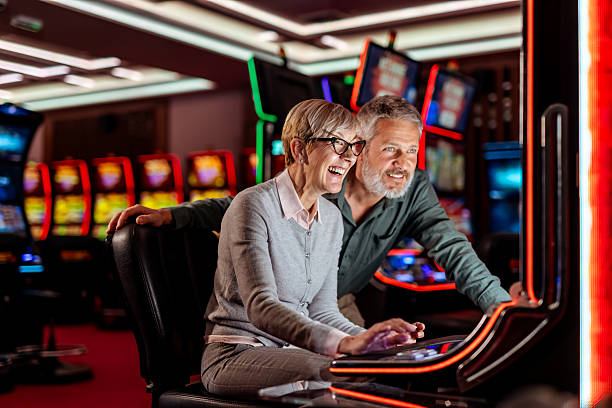
Social factors significantly shape the emotional landscape of casino gambling. The presence of other players, friends, or family can either enhance the excitement or induce pressure to perform. In social settings, emotions can intensify, as individuals may feel compelled to match the betting behaviors of their peers. This social dynamic can lead to riskier decisions, as players seek to impress others or maintain a sense of belonging within the group.
Moreover, the communal experience of gambling—whether in a physical casino or an online platform—can create a sense of camaraderie among players. While this can lead to a heightened enjoyment of the gaming experience, it can also foster negative emotions when losing occurs. The pressure to keep up with friends’ bets may cause individuals to exceed their comfort levels, leading to regret and emotional distress. Awareness of these social influences can help players maintain a balanced approach, encouraging responsible gambling habits.
Additionally, the role of advertising and marketing in shaping players’ emotions cannot be underestimated. Casinos often use enticing promotions and visuals to create a sense of urgency and excitement. These marketing strategies can manipulate emotions, enticing individuals to gamble in ways that may not align with their financial or emotional well-being. Understanding how social and marketing factors impact decision-making can aid players in navigating their gambling experiences more mindfully.
Strategies for Managing Emotions While Gambling
Recognizing the emotional influences on gambling is the first step toward managing them effectively. Players can benefit from implementing strategies that encourage mindfulness and emotional regulation. Setting clear limits on time and money spent can create a framework for responsible gambling, reducing the likelihood of emotional decision-making during play. For instance, players might choose to allocate a specific budget for gaming and stick to it, helping to mitigate feelings of regret associated with overspending.
Additionally, self-awareness is crucial in managing gambling emotions. Players can benefit from reflecting on their emotional states before and during gambling sessions. Keeping a gambling journal can serve as a useful tool for tracking emotions, decisions made, and their outcomes. This practice can highlight patterns in behavior influenced by emotions and enable players to make more informed choices in future sessions. Understanding personal triggers can also help in devising appropriate coping mechanisms.
Moreover, seeking support from others can be invaluable in managing gambling-related emotions. Whether through sharing experiences with friends or joining support groups, discussing feelings can alleviate the burden of guilt or anxiety associated with gambling. By fostering an open dialogue about the emotional aspects of gambling, players can develop healthier approaches to their gaming habits and promote a more balanced perspective.
PlayID: Revolutionizing the Online Gaming Experience
PlayID is transforming the landscape of online gaming, particularly for those navigating the emotional ups and downs associated with gambling. As an innovative e-wallet and login hub, it consolidates users’ gaming identities and funds into a single, secure platform. This streamlined experience minimizes the emotional stress often linked to traditional gambling methods, offering rapid deposits and withdrawals and reducing the anxiety of managing multiple accounts.
Moreover, PlayID enhances player experiences through built-in identity verification and exclusive promotions that cater to emotional needs. By providing users with a simple and efficient way to engage with partner casinos, PlayID helps alleviate some emotional pressures associated with gambling. The platform encourages responsible gaming, providing tools that assist players in making informed decisions, fostering a healthier gaming environment.
In an industry where emotions can heavily influence betting choices, PlayID offers a refreshing approach that prioritizes user experience and well-being. By consolidating the gaming journey into one accessible hub, PlayID not only simplifies the process but also empowers players to enjoy their gaming experience while staying mindful of their emotional and financial health.